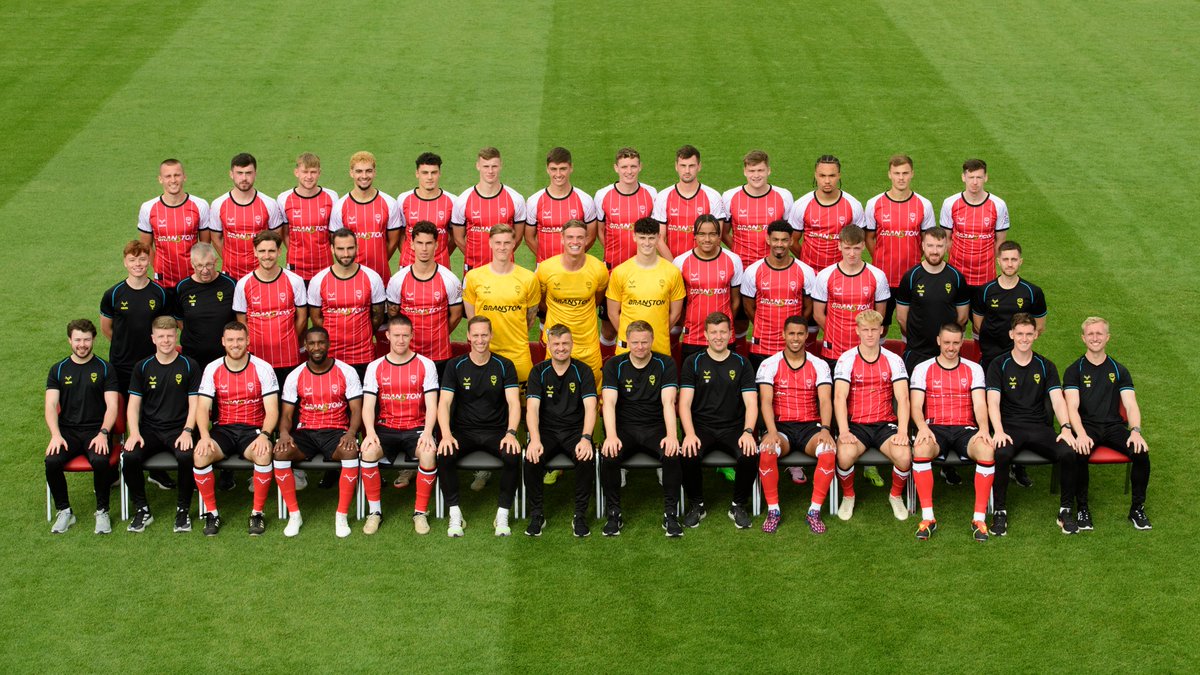
Lincoln City Football Club is a professional association football club based in the city of Lincoln, Lincolnshire, England. The club competes in the EFL Championship, the second tier of English football, following promotion from EFL League One.
Nicknamed the "Imps" after the legend of the Lincoln Imp, they have played at 11,400-capacity Sincil Bank since their move from John O'Gaunts in 1895. Traditionally they play in red and white striped shirts with black shorts and red and white socks. They hold rivalries with other Lincolnshire clubs, particularly Scunthorpe United and Grimsby Town. Founded in 1884, Lincoln won the Midland League in 1889–90, their first full season playing league football. They moved on from the Football Alliance to become founder members of the Football League Second Division in 1892, remaining there until they failed re-election in 1908. They won immediate re-election after winning the next year's Midland League, and would repeat this feat after failing re-election again in 1911 and 1920. Founder members of the Football League Third Division North in 1921, they won promotion as champions in 1931–32, but were relegated two seasons later. Crowned Third Division North champions again in 1947–48, they were relegated the next year, but would remain in the second tier for nine seasons after again winning the Third Division North title in 1951–52. Two successive relegations left them in the Fourth Division by 1962, where they would remain until Graham Taylor's title winning campaign of 1975–76. The Cinema Museum in London holds amateur footage of a match in 1962 with Bury.
Football in the city of Lincoln had been prominent since the 1860s although not strictly connected to the modern day club. After the disbanding of Lincoln Rovers (formerly Lincoln Recreation) in 1884, Lincoln City FC was formed as an amateur football association, and the first game Lincoln played was an emphatic 9–1 victory over local rivals Sleaford, on 4 October 1884. Originally they played at the John O'Gaunts ground, provided by wealthy local brewer Robert Dawber.
Lincoln turned professional in the 1891–92 season, and soon helped to form what was then the Second Division in 1892–93 season, as an increasing number of clubs wished to join the Football League. Their first game in the Football League was a 4–2 away defeat to Sheffield United on 3 September 1892. Their first home game was also against Sheffield United, this time, however, Lincoln won 1–0. Due to Dawber's death in 1895, Lincoln moved from the John O'Gaunts Ground to Sincil Bank. On 2 September 1899, Lincoln became only the third club to be represented by a Black player in an English Football League game when John Walker made his debut for them in a home game against Middlesbrough.
They failed re-election to the Football League in 1908. They won immediate re-election after winning the next year's Midland League, and would repeat this feat after failing re-election again in 1911 and 1920. Founder members of the Football League Third Division North in 1921, they won promotion as champions in 1931–32, but were relegated two seasons later. Crowned Third Division North champions again in 1947–48, they were relegated the next year, but would remain in the second tier for nine seasons after again winning the Third Division North title in 1951–52. Two successive relegations left them in the Fourth Division by 1962, where they would remain until Graham Taylor's title winning campaign of 1975–76. The next would oscillate between the Third and Fourth division for the next 10 years, missing out on promotion to the Second Division in 1982 and 1983.
Lincoln were relegated to the Fourth Division at the end of the 1985–86 season, and the year after that they became the first team to suffer automatic relegation from the Football League. They regained their Football League place automatically via promotion as champions of the Conference at the first attempt. In the 1997–98 season, Lincoln were promoted from the Third Division (previously the Fourth Division), but were immediately relegated back on the next season. On 3 May 2002 Lincoln entered into administration. Lincoln City were relegated again from League Two on the last day of the end of the 2010–11 season after a home defeat to Aldershot Town.